Né · Shibata, Niigata
What the World Found Was the Land
Words from Né, named first in the world.
Né · 新潟県新発田市
世界が見つけたのは、この土地だった
Né より

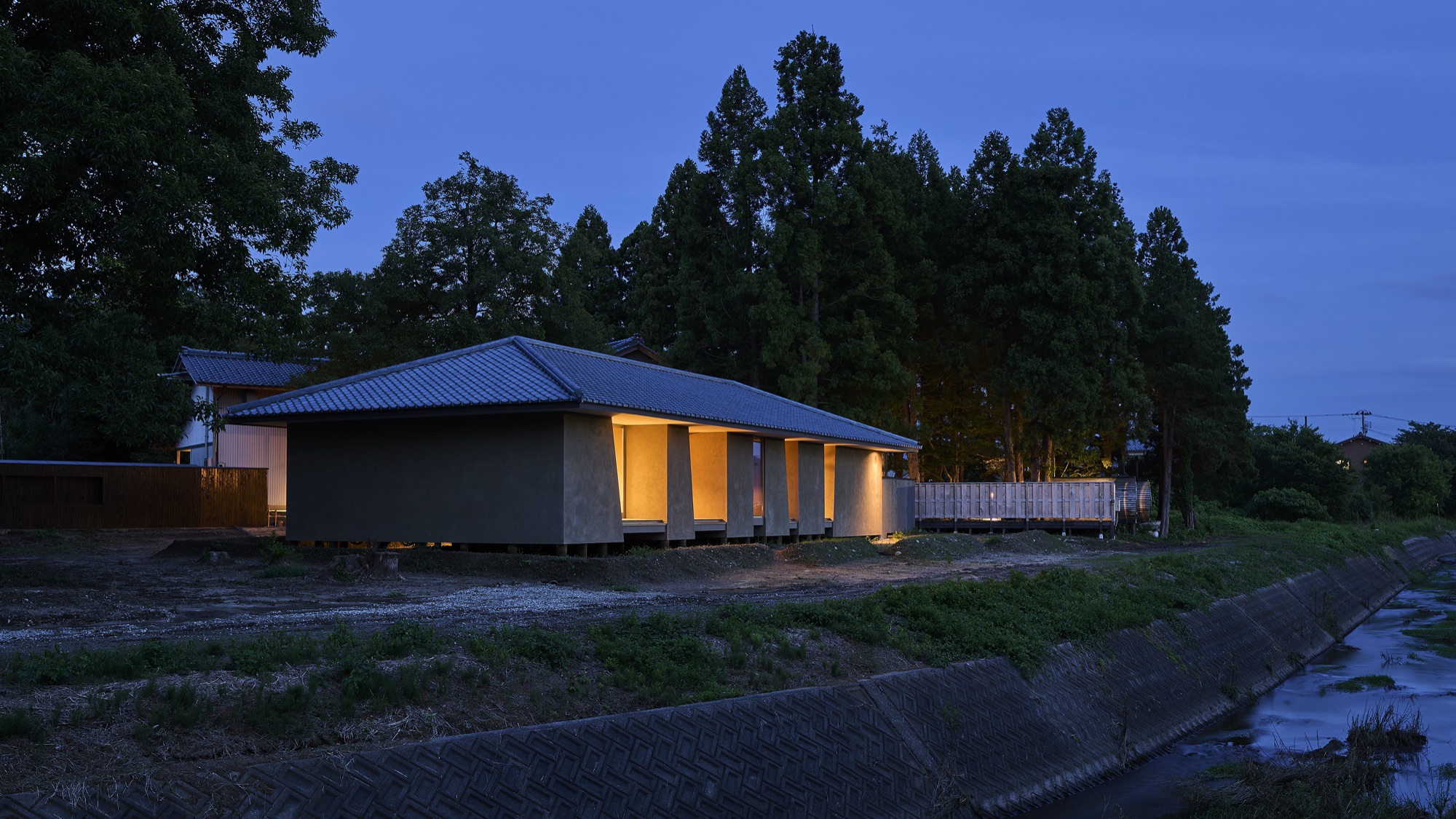
There is a small secret in our name.
In Japanese, ne is 根 — root: what reaches down through the soil, drawing up its nourishment to raise the tree. In French, né means born. To go deep into the earth; and to rise out of it. Both, in this one place.
On 8 June, Né was named Popular Choice Winner in the Architecture + Environment category of the Architizer A+Awards 2026 — first in the world, chosen by public vote, from among five finalists drawn out of more than eighty countries.
We are grateful. And yet this honour is not ours alone. The truth is, it belongs to the land.
Né(ネ)という名前には、二つの意味を込めました。
ひとつは、日本語の「根」。地中に伸びて、大地の養分を吸い上げ、木を育てるもの。もうひとつは、フランス語の né。「生まれた」という意味です。深く、地に潜ること。そして、そこから生まれ出ること。その両方を、この場所で。
この6月8日、Né は Architizer A+Awards 2026 の Architecture + Environment(建築と環境)部門で、世界第1位に選ばれました。80を超える国々から作品が集まり、世界中の人々の投票で決まる、Popular Choice Winner です。
たいへん光栄なことです。ただ、本当のことを言えば、この1位は、私たちのものではない気がしています。
これは、この土地が受けた評価なのだと。
They said it couldn't be done.
When the architect Kenta Fukunishi first stood on this ground — a ridge in Shibata overlooking the rice fields, tended by the Honma family for three hundred years — only the name had been decided. But the name already pointed the way. Architecture that puts down roots. A building not placed upon its site, but born from it.
So he asked a single question. What could be made only here?
The answer lay underfoot.
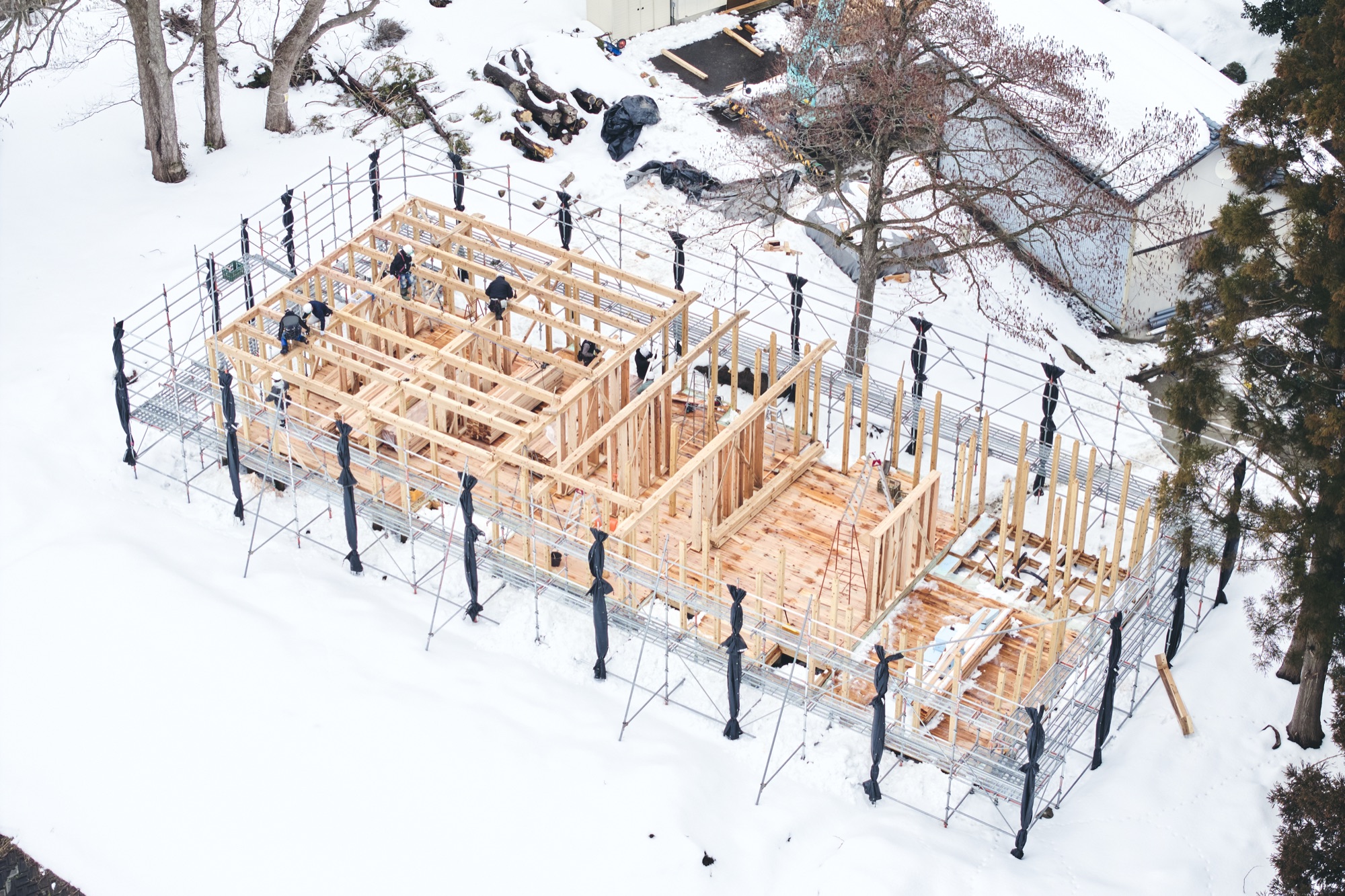
No concrete. Not less of it — none at all. The norm is to drive steel piles and pour concrete to set them. We refused it. Instead, one hundred and five wooden piles, driven deep, compacting the soil, so the building stands on the friction of timber and earth alone. No excavation. No spoil to haul away. No steel.
不可能だ、と言われた。
建築家の福西健太が、はじめてこの土地に立ったとき、決まっていたのは名前だけでした。本間家が300年にわたって守ってきた、田を見下ろす尾根。けれど、その名前が、進むべき道をもう示していました。根を下ろす建築。土地の上に建てるのではなく、土地から立ち上がる建築を。
問いは、ひとつだけでした。ここでしか建てられないものは、何だろう。
答えは、足元の土の中にありました。
コンクリートは、使わない。少なくするのではなく、一切、使わない。鋼の杭を打ち、コンクリートで地面を固める。その当たり前を、やめました。打ち込んだのは、105本の木の杭だけ。土と木が擦れあう力で、建物を支えています。地面を大きく掘ることも、土を運び出すことも、鉄を使うこともありませんでした。
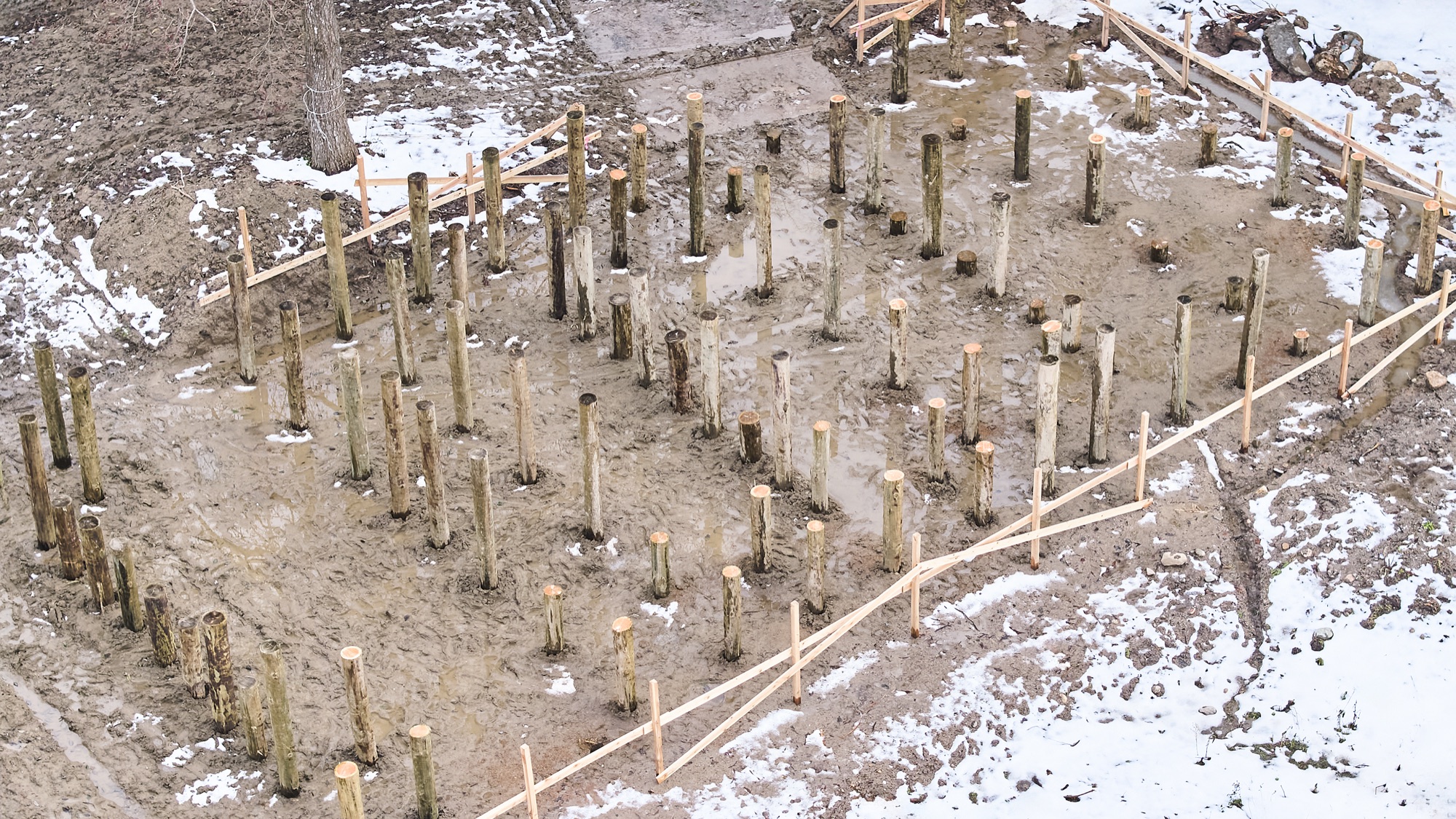
The building does not sit on the land. It floats within it.
建物は、土地の上に乗っているのではなく、土地にそっと浮かんでいます。
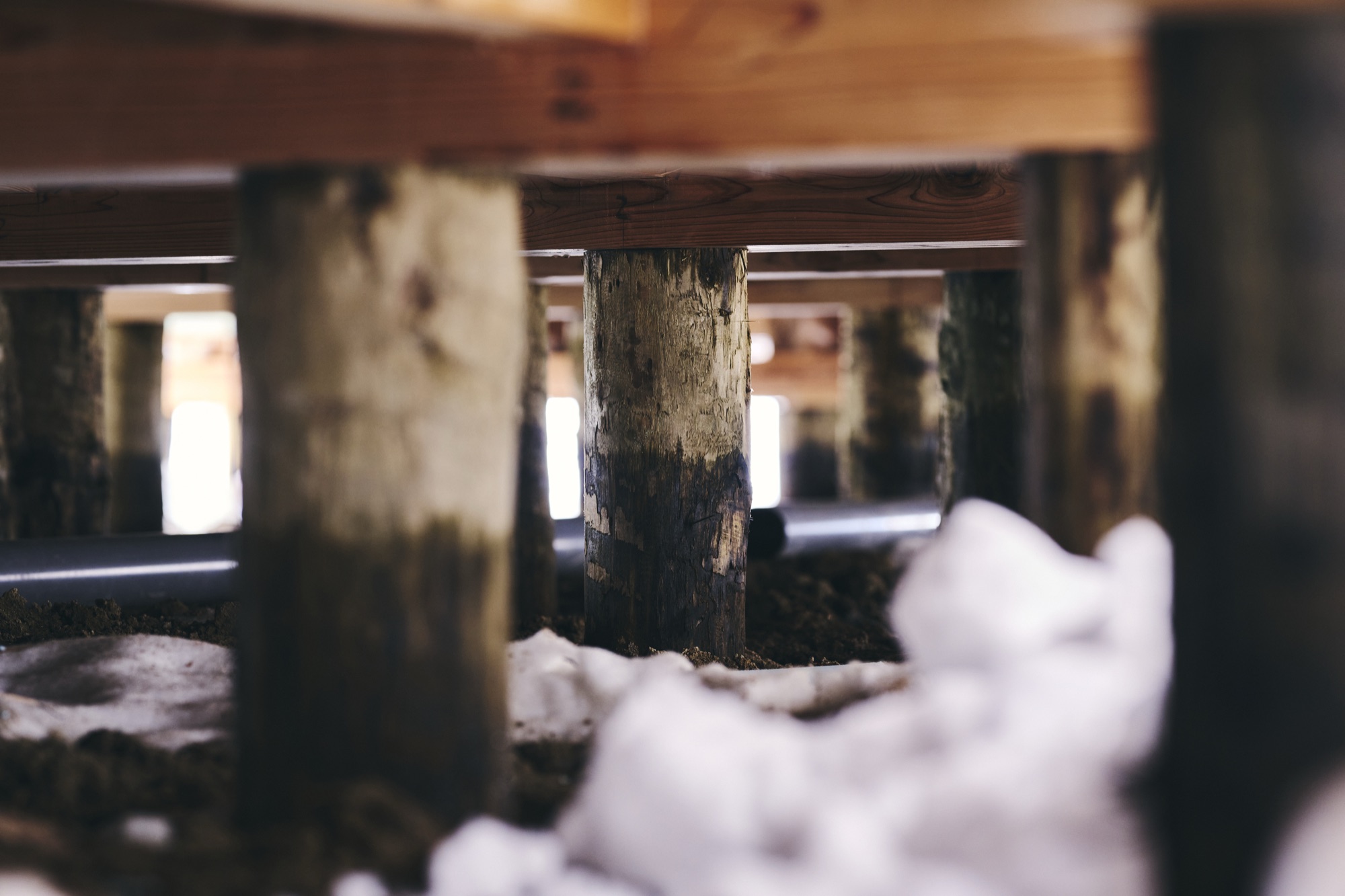
And one day, when Né's time is done, the piles will decay and the whole of it will return to the earth without leaving a scar. For ground a single family has tended for three hundred years, that was less a technical choice than a courtesy.
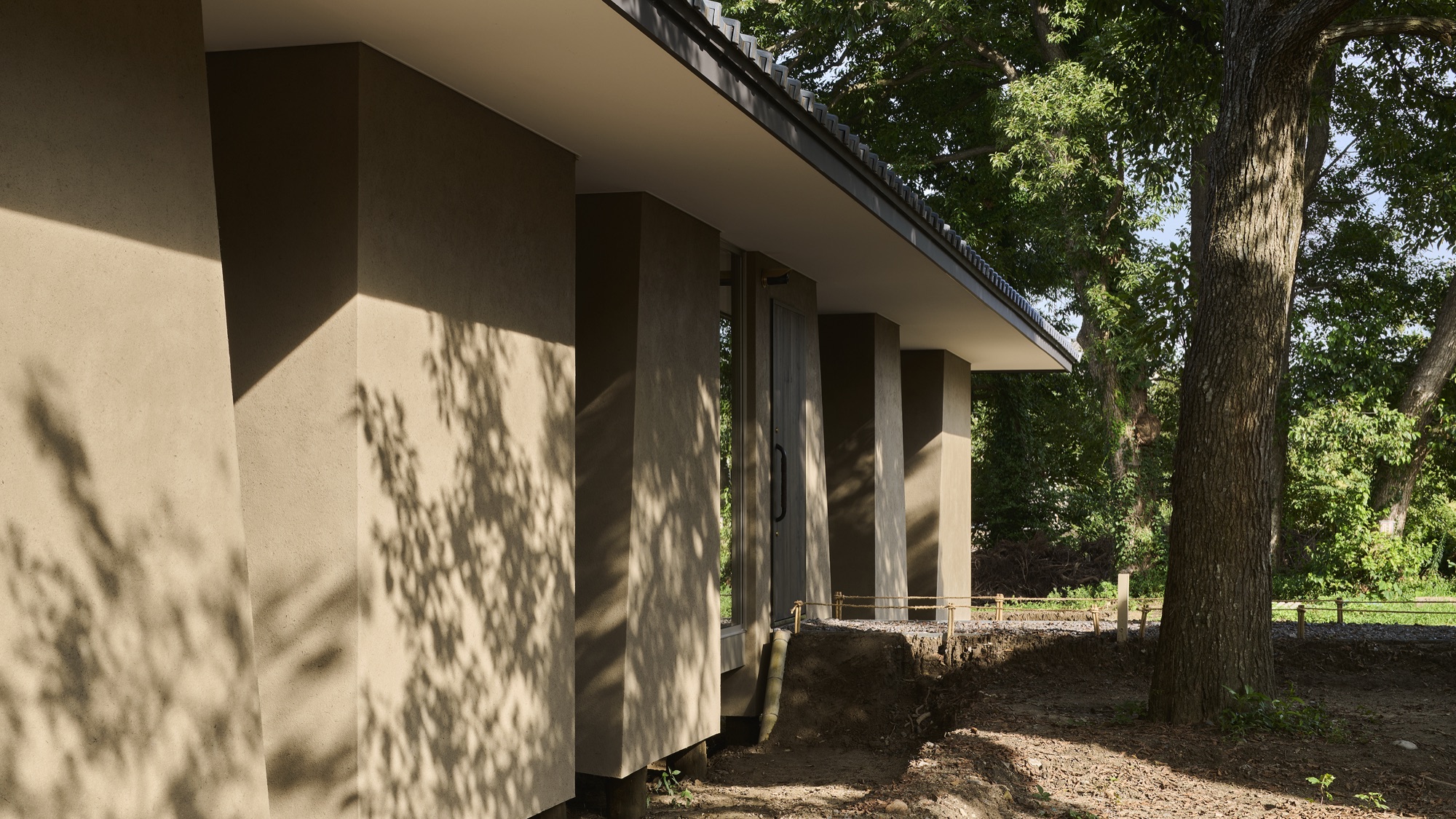
Even the walls are the earth of this place. Nothing carried in from elsewhere. The soil was dug from directly beneath the building, left to ferment for half a year like miso or wine, then laid up by hand, coat upon coat, by craftsmen. And so the building wears the very colour of the ground it stands on. Walk the site, and architecture and landscape rhyme.
いつか役目を終えるとき、杭は土に還り、建物は跡形もなく消えていく。300年、ひとつの家族が大切にしてきた土地です。傷を残してはいけない。それは工法の問題というより、この土地への礼儀でした。
壁の土さえ、この場所から掘り出したものです。よそから運んではいません。建物の足元の土を、味噌や酒のように半年ほど寝かせ、発酵させて、職人が手で塗り重ねました。だから建物は、足元の大地と、ぴたりと同じ色をしています。
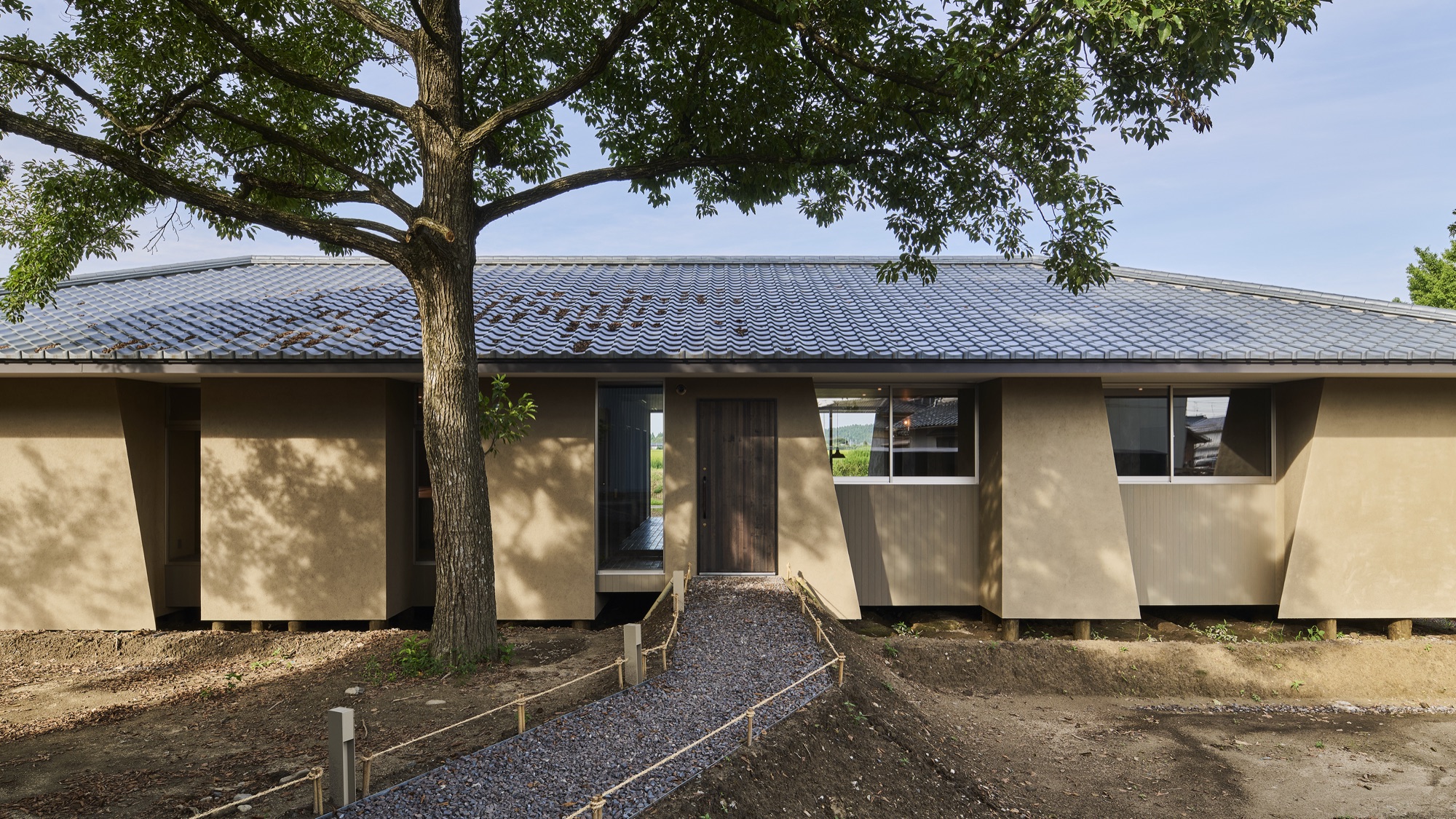
Nearly all of it came from the hands of people who live close by — Kumagai Construction, three generations in Shibata, and others who know this snow country's winters, and its craft, in the way only those who have always lived here can. The award says the world took notice. But what the world saw was something this land had known how to make all along.
ここにあるもののほとんどは、近くに暮らす職人たちがつくりました。三代続く熊谷建設をはじめ、新発田の厳しい冬も、この土地の手仕事も、知りつくした人たちです。世界がこの建築に気づくよりずっと前から、彼らはこういう家のつくり方を、当たり前のように身につけていました。
Protection alone won't save it.
Né holds two hopes.
The first is for the environment. A building that uses no concrete, and will one day return to the soil. A quiet, complete answer to the question this century keeps putting to architecture.
The second is for the hands. Craft that is only protected will, in time, disappear. It survives only when it meets the world, is justly valued, and is sought after — when people come, livelihoods stand, and the skill passes to the next pair of hands. Only then does it continue.
That is what we most want understood. Né is not a monument mourning a dying craft. It is an attempt to keep it alive — by connecting one small region in a corner of Japan, directly, to the world. We want to keep the hands that made what the world valued moving, into the next generation.
守るだけでは、続かない。
Né には、二つの願いがあります。
ひとつは、環境のこと。コンクリートを使わず、いつか土に還る建築。それは、いまの時代が建築に突きつけている問いに対する、静かで、確かな答えです。
もうひとつは、職人の手のこと。受け継がれてきた技は、ただ守っているだけでは、いつか途絶えてしまいます。世界に知られ、正しく評価され、求められる。お客様が訪れ、暮らしが成り立ち、技術が次の世代へ継承されていく。そうしてはじめて、技は生き残ります。
これが、いちばん伝えたいことです。Né は、消えゆく建築を惜しむための記念碑ではありません。その技術を、未来へつなぐための仕組みです。日本の片隅にある小さな里と、世界とを、まっすぐに結ぶ。世界がその価値を認めてくれた建築。それをつくった職人たちの手を、次の世代まで、動かし続けたい。それが、私たちの願いです。
Eating time.
Né receives only one group a day.
時間を、食べる。
お迎えするのは、一日にひと組だけ。
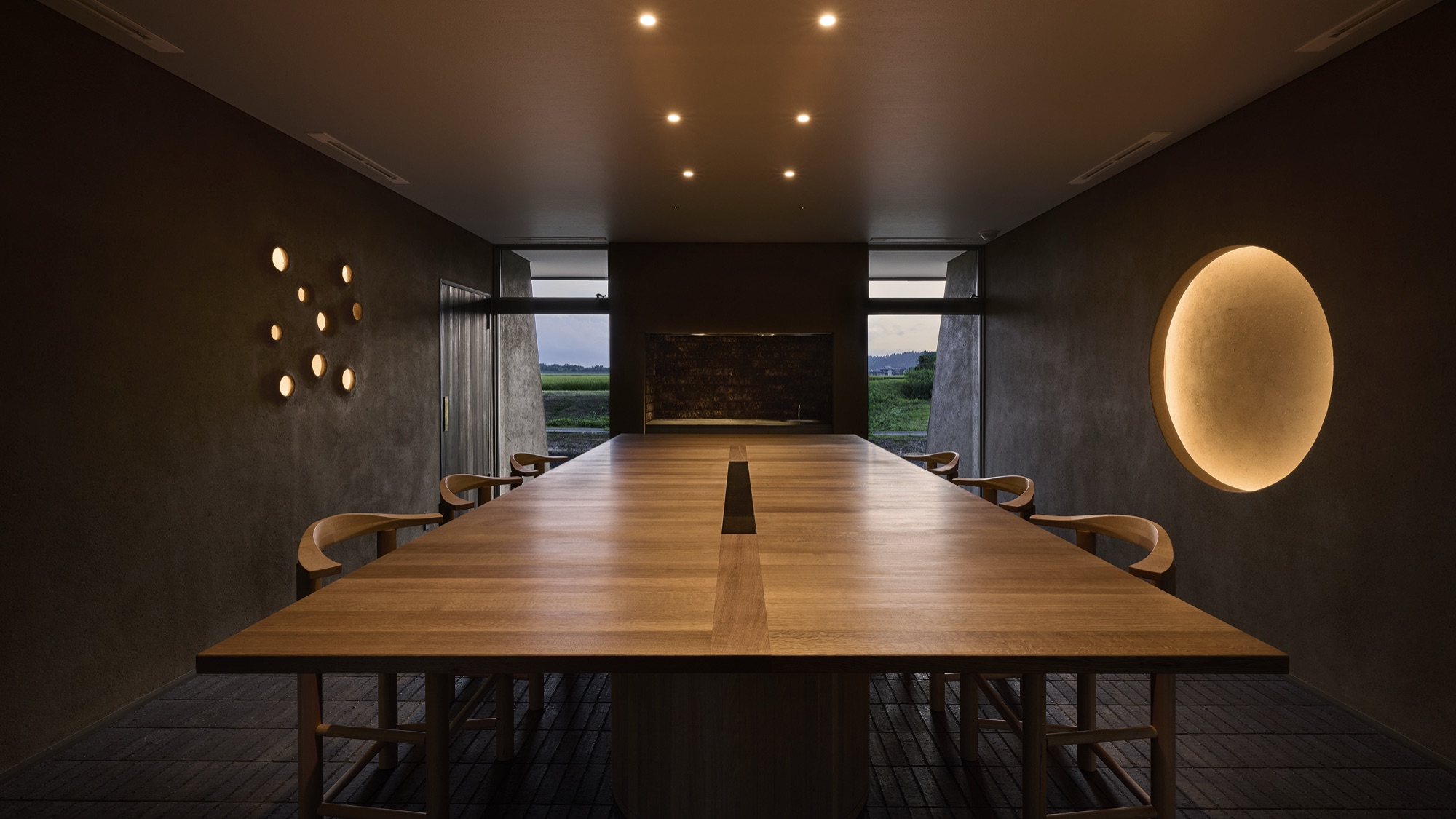
At night, head chef Makoto Fuse serves a course of thirteen dishes. He trained in France under the three-Michelin-star chef Antoine Westermann.
The course has a theme: from the end to the beginning, and until a moment becomes forever.
It does not chase the bright marks of the seasons. It traces time itself. Fermentation, drying, aging — the slow handwork by which Niigata has always drawn out flavour. A withered leaf, and a bud not yet visible. The unseen labour of bees. A fish crossing the surface of the water. The beasts of the forest. A creature of the waterside no one ever wanted. And at the last, a single piece of fruit laid on a canvas of rice and milk. You take it in before it can vanish.
夜は、総料理長の布施真が、13皿のコースをお出しします。布施は、フランスの三つ星店、アントワーヌ・ヴェスターマンのもとで腕をみがいた料理人です。
コースのテーマは、「終わりから始まりへ、そして一瞬が永遠になるまで」。
たどるのは、季節のうつろいではありません。時間そのものです。発酵、乾燥、熟成。新潟が、長い歳月をかけて食材の旨味を引き出してきた、その知恵を皿の上に。枯れた葉と、まだ見えない芽吹きにはじまり、蜂のひそかな営み、水面を切って泳ぐ魚、森の獣、誰にも望まれなかった水辺の生きものを経て、最後は、米と乳を敷いた皿の上の、ひと切れの果実。消えてしまう前に、口へ運ぶ。
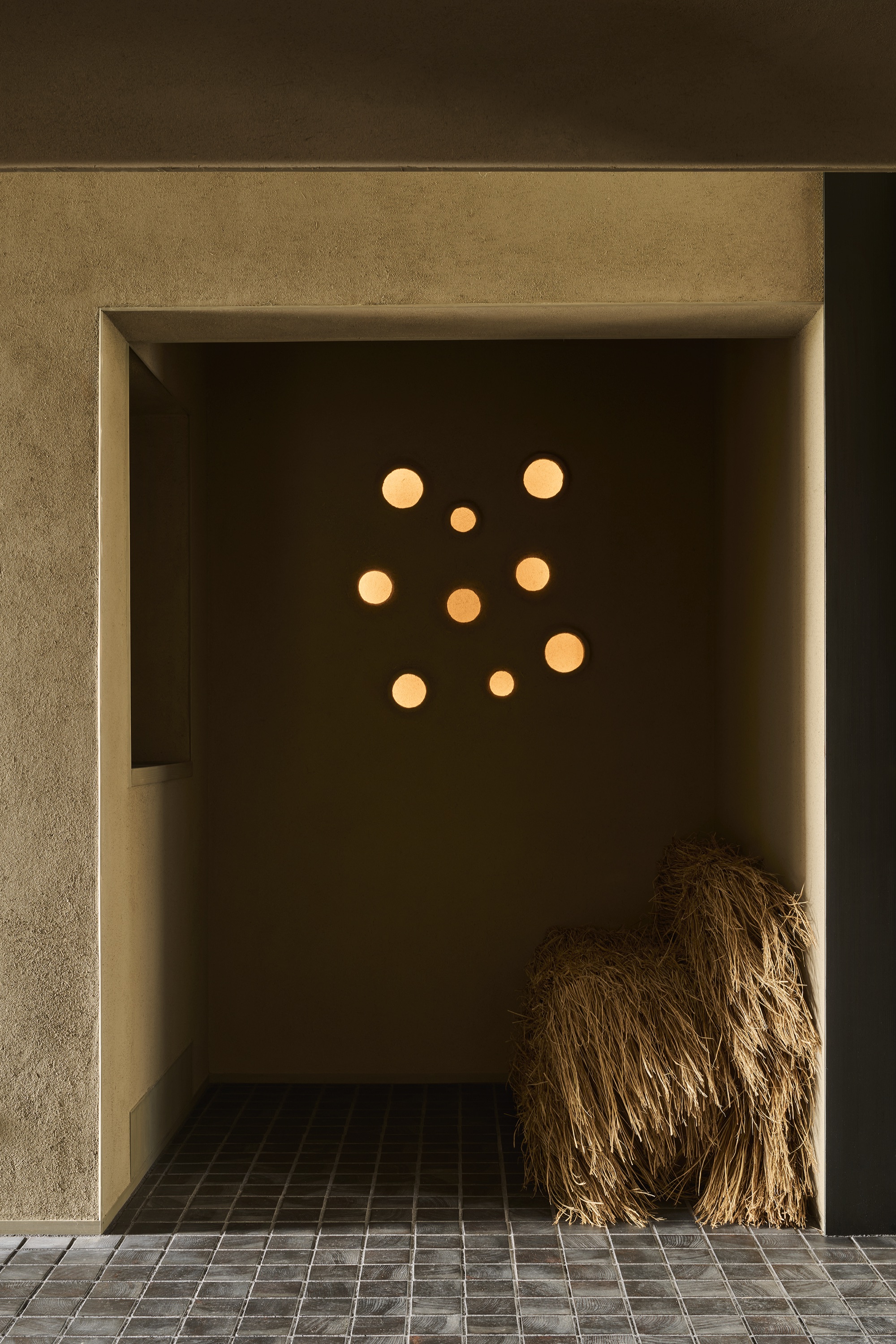
Architecture asks what can be built from this land. The kitchen asks what can be eaten from it. The same question, answered twice.
建築は、この土地に何が建てられるかを問います。料理は、この土地から何が食べられるかを問います。同じ問いに、二つのやり方で答えているのです。
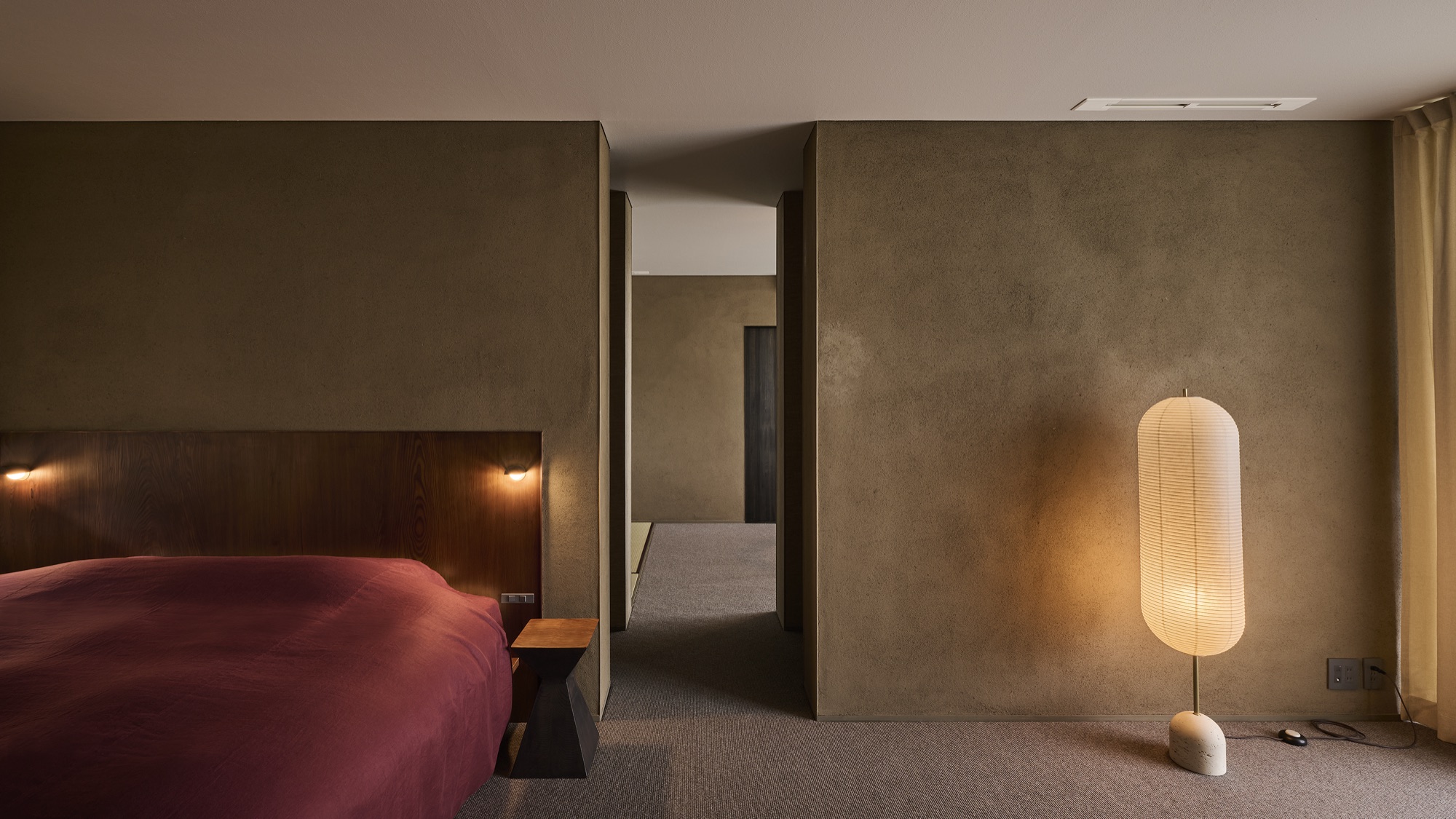
To stay here is not to be hosted by the land. It is to be drawn, for one night, into its turning. What you carry home is not a receipt, but a bond formed with this place.
ここで一夜を過ごすことは、土地にもてなされることではありません。ひと晩だけ、この土地のめぐりの中に、加えていただくこと。お帰りになるとき、手にしているのは、この土地と結んだ、ひとつの縁です。
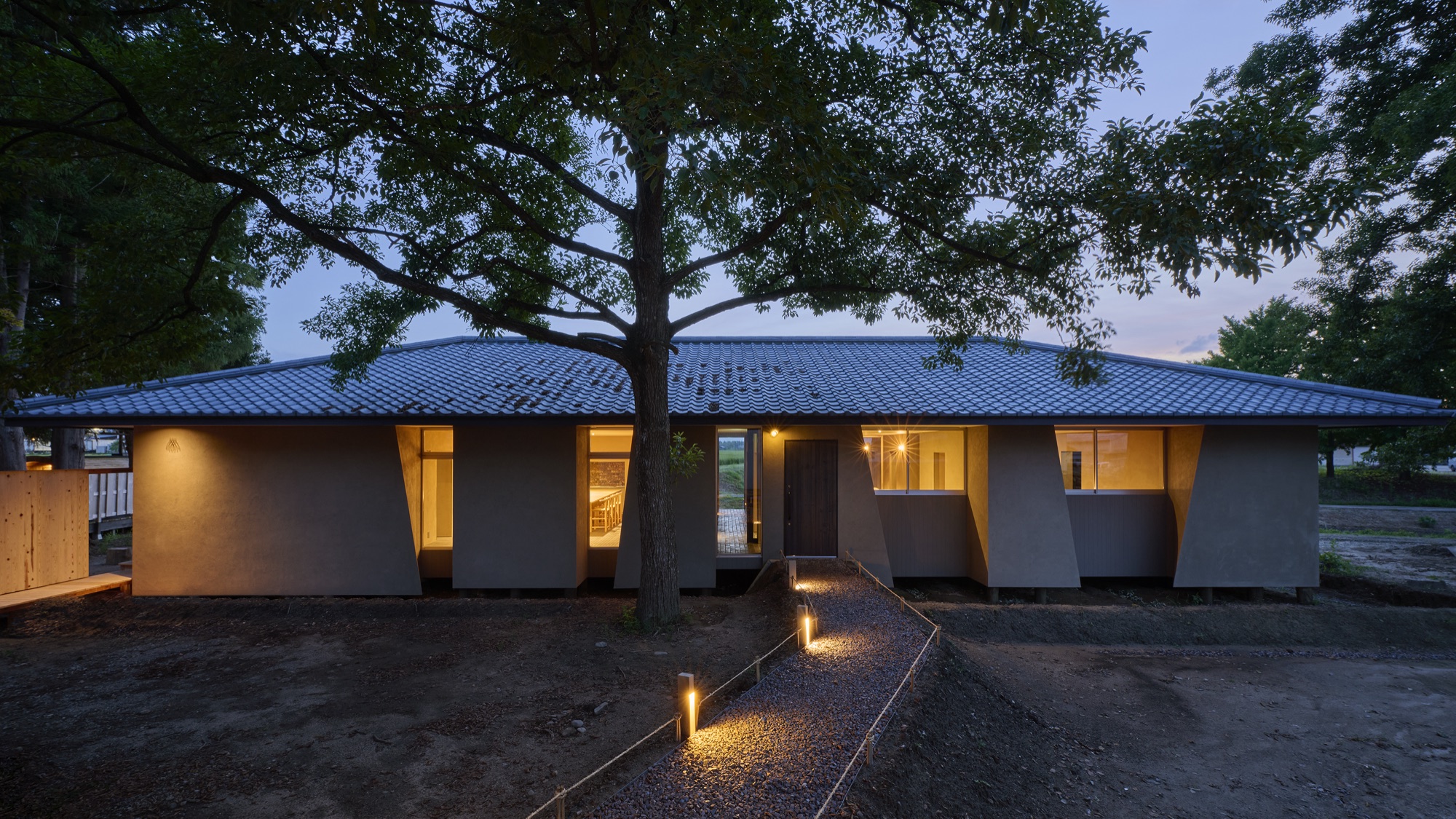
Video — Story of Né動画|Story of Né(Néの物語)
We didn't build it to win.
This award rarely goes to a small building in the countryside. So we let ourselves pause before this one.
It is not, in the end, a prize for splendour. We take it as an answer to a single question.
That an inn in snow country can be built with no concrete — only the soil of its own land, the timber of its own forest, and the wisdom of the people who live here. And that the result can stand level with the finest in the world.
We did not begin in order to win. We only wanted to build the one thing that could stand nowhere else. That was all.
勝つために、建てたのではない。
田舎の小さな建築が、こうした賞に選ばれることは、めったにありません。だから、素直にうれしい気持ちの一方で、私たちは少し立ち止まりました。
これは、華やかさを競う賞ではないと思っています。むしろ、ひとつの問いかけに、世界がうなずいてくれた。そういうことなのだと。
雪国の里に立つ宿が、コンクリートを一切使わず、この土地の土と、この森の木と、ここに暮らす人の知恵だけで建つ。しかもそれが、世界の第一線に並ぶ。その問いかけに、です。
勝ちたくて始めたことではありません。ここでしか建てられない、たったひとつの宿を建てたかった。ただ、それだけでした。
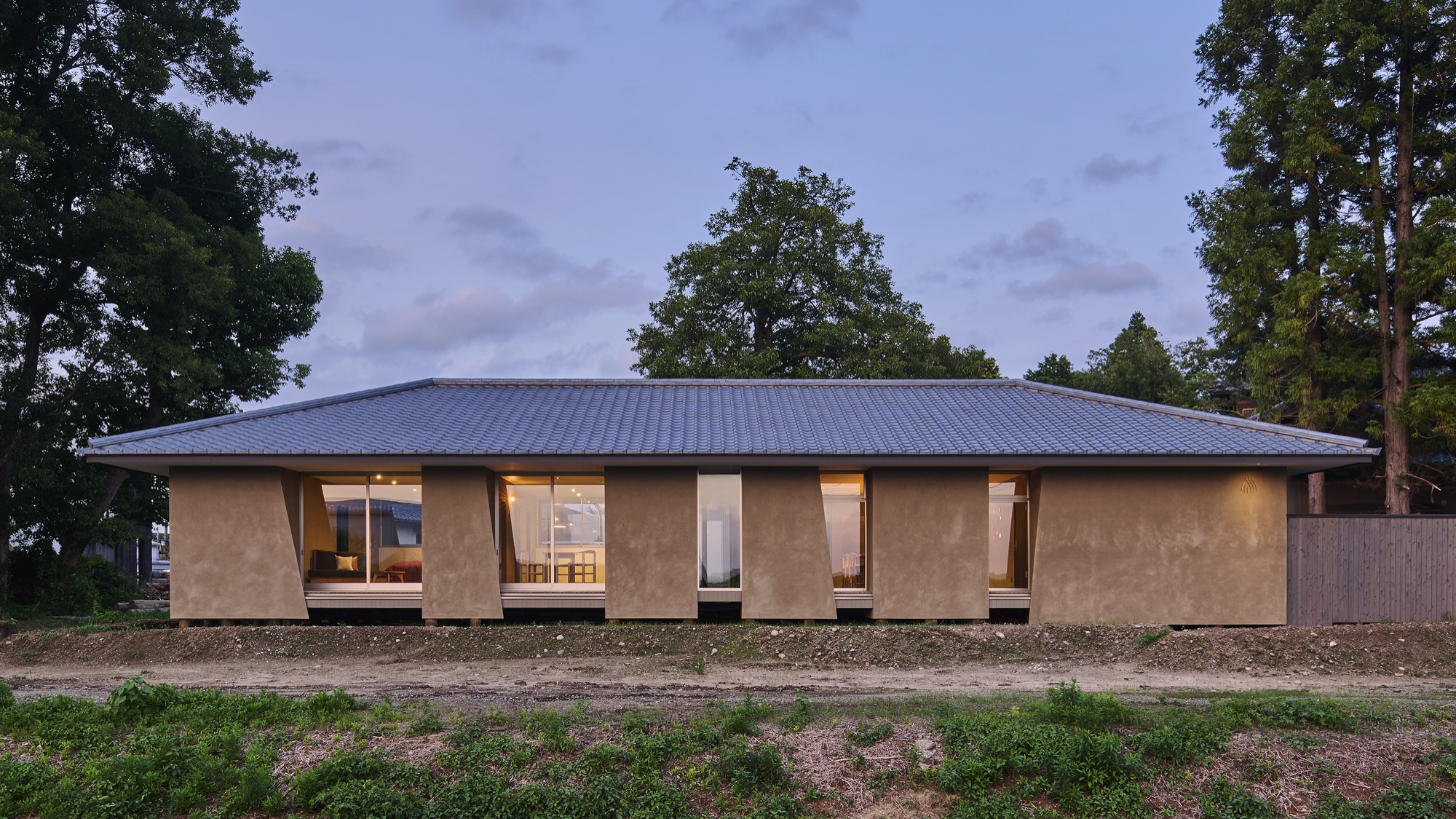
The world turned to look. It came close, and looked carefully.
But what it was looking at was never us.
It was the land.
世界が、こちらに目を向けてくれました。しかも、ずいぶん近くまで来て、じっくりと。
けれど、その視線の先で、世界が心を留めたのは、私たちではなく、この土地でした。